Your calendar isn't your plant's calendar
A watering schedule can be a useful reminder to check a plant, but it shouldn't dictate when you pour. Light, pot size, soil mix, season and air conditioning all affect how fast the roots use moisture. A pothos by a bright window may dry much faster than a ZZ plant in a shady room.
The two-minute moisture check
Push a clean finger about one to two inches into the potting mix. If it feels damp, wait and check again later. If it feels dry, consider the plant's preferences: pothos and heartleaf philodendron often appreciate some drying near the surface, while snake plants and ZZ plants generally need the mix to dry more thoroughly. Lift the pot, too: a lighter pot often means less moisture remains.
Water thoroughly, then let it drain
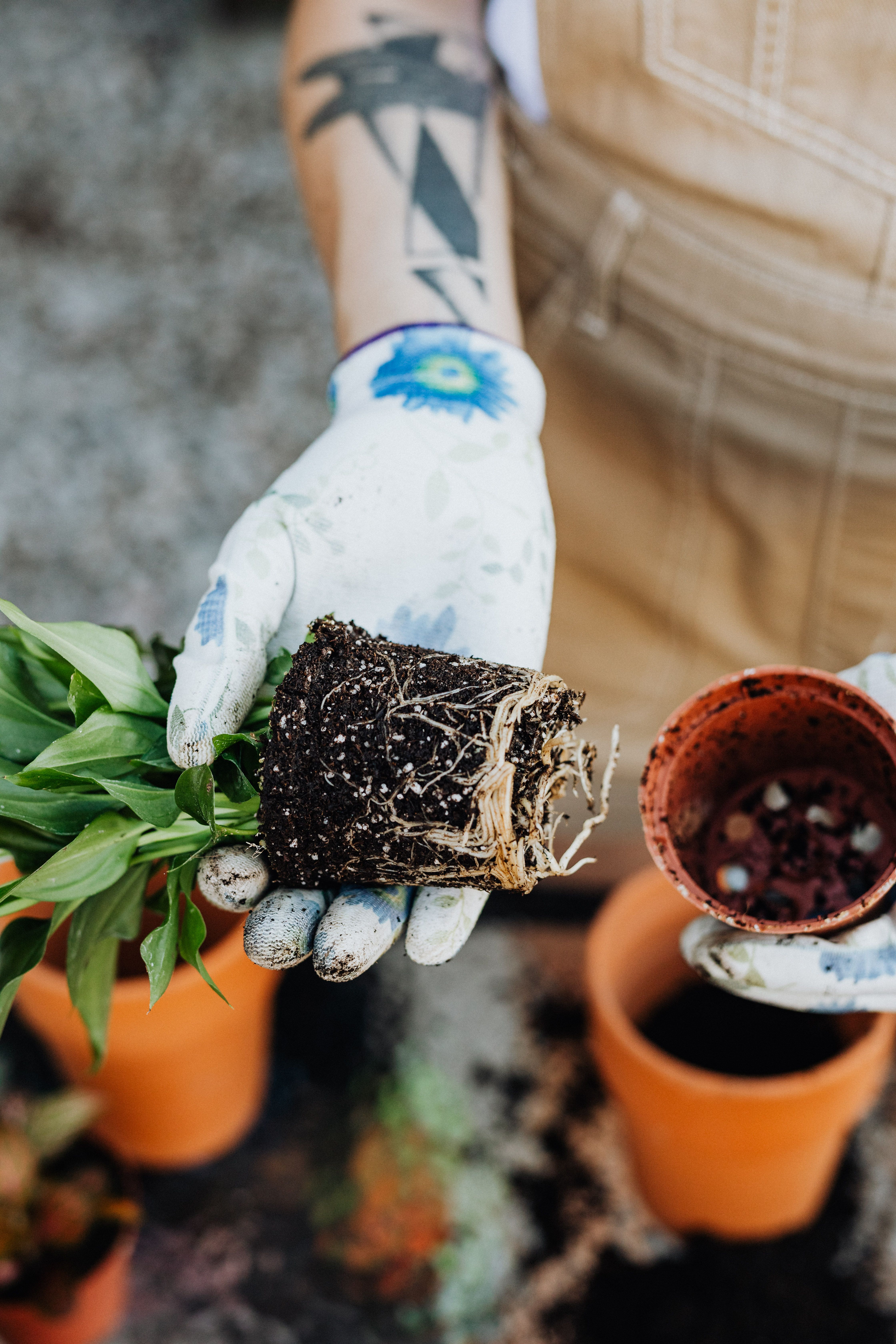
When watering is needed, slowly wet the mix until water flows through the drainage holes. Empty the saucer rather than allowing the roots to sit in water. A pot without drainage is much harder to manage; consider keeping the plant in a nursery pot inside a decorative cover pot.
Yellow leaves don't always mean thirst
Both under- and overwatering can cause drooping or yellow leaves. Before adding water, inspect the soil. Persistently wet mix, a sour smell or soft stems may signal root trouble. Dry mix pulling away from the pot edge may indicate severe dryness. Diagnose first, then respond.
A North Texas seasonal adjustment
In summer, indoor air conditioning and bright windows can change drying rates. In winter, lower light often slows growth and water use. Check more often when conditions change, but water only when the plant actually needs it.
Keep learning
Read our related guide: Tiny Bugs, Big Trouble: the Five-Minute Plant Check. For deeper research, see Texas A&M AgriLife: Houseplants 101.
Explore our houseplants ↗All plant-care articles ↗